
I. Wprowadzenie: Moment głębokiego niepokoju
Niedawno odbyłem rozmowę z 13-letnią córką mojego przyjaciela, która wprawiła mnie w głęboki niepokój. Zapytałem ją, całkiem od niechcenia, czy dzieci w jej szkole lubią wapować. Odwróciła wzrok, jej oczy błysnęły z wahaniem, zanim stanowczo odpowiedziała: “Nie, nie robię tego”.”
Chcę jej wierzyć. Naprawdę chcę. Ale jako ktoś, kto spędził lata w branży e-papierosów, rozpoznałem to spojrzenie. To nie był tylko nastoletni bunt; to było spojrzenie dziecka uwięzionego między ciekawością a tajemnicą, z którą nie jest w stanie sobie poradzić. Ten moment niepewności prześladował mnie. Zmusił mnie do skonfrontowania się z trudną prawdą: produkty mające pomóc dorosłym palaczom w odejściu od tradycyjnych papierosów coraz częściej trafiają w ręce dzieci, które nigdy nie powinny poznać ich smaku.
II. Profesjonalne stanowisko: Zyski nigdy nie powinny przesłaniać sumienia
Od razu powiem jasno: moja strona internetowa sprzedaje e-papierosy. Wierzę w potencjał redukcji szkód dla dorosłych palaczy. Jednak bycie profesjonalistą w tej branży wiąże się z dużym ciężarem odpowiedzialności społecznej. Naszą misją jest zapewnienie alternatywy dla tych, którzy spędzili już dziesięciolecia zmagając się z tytoniem, a nie tworzenie nowego pokolenia osób uzależnionych od nikotyny.
W biznesie istnieje stare powiedzenie, że “zysk jest królem”, ale w tej branży etyka musi być cesarzem. Wszelkie zyski czerpane ze zdrowia nieletnich są nie tylko nieetyczne; to zdrada pierwotnych intencji branży. Musimy utrzymywać politykę “zerowej tolerancji”. Jeśli nasze produkty trafiają do 13-latków, to nie “zakłócamy” branży - zawodzimy całe pokolenie. Jako sprzedawca opowiadam się za surowszymi zakazami i bardziej rygorystyczną weryfikacją wieku, ponieważ nasz sukces nigdy nie powinien być mierzony liczbą dzieci, które przypadkowo rekrutujemy.
III. Dogłębna analiza: Dlaczego nasze dzieci stają się ofiarami?
Pytanie, które musimy zadać, brzmi: dlaczego dzieci są tak przyciągane do tych urządzeń? Odpowiedź leży w idealnej burzy projektowania, psychologii i presji społecznej.
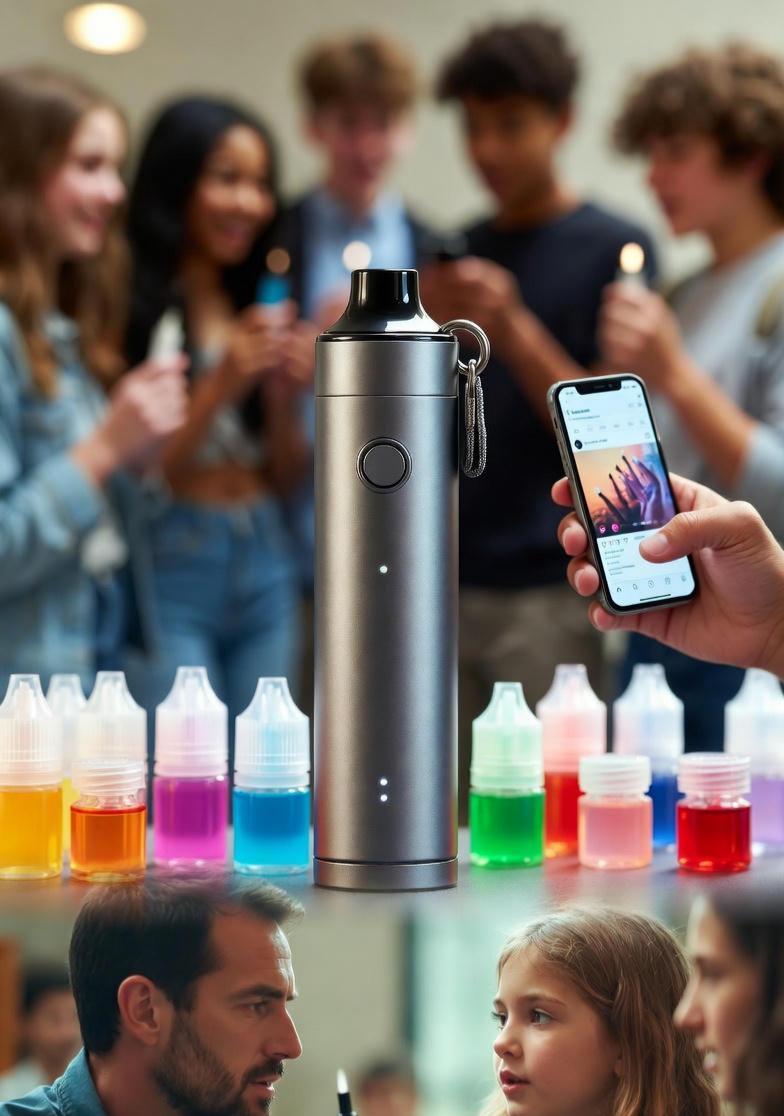
1. Iluzja nieszkodliwych “gadżetów” Nowoczesne e-papierosy są często projektowane w eleganckiej, minimalistycznej estetyce. Dla dorosłego wyglądają profesjonalnie; dla dziecka wyglądają jak zaawansowane technologicznie zabawki, dyski USB, a nawet fantazyjne artykuły papiernicze. Ta “gadżetyzacja” ukrywa rzeczywistość tego, czym jest urządzenie. Obniża to psychologiczną barierę wejścia, sprawiając, że wapowanie wydaje się bardziej trendem technologicznym niż chemicznym nawykiem.
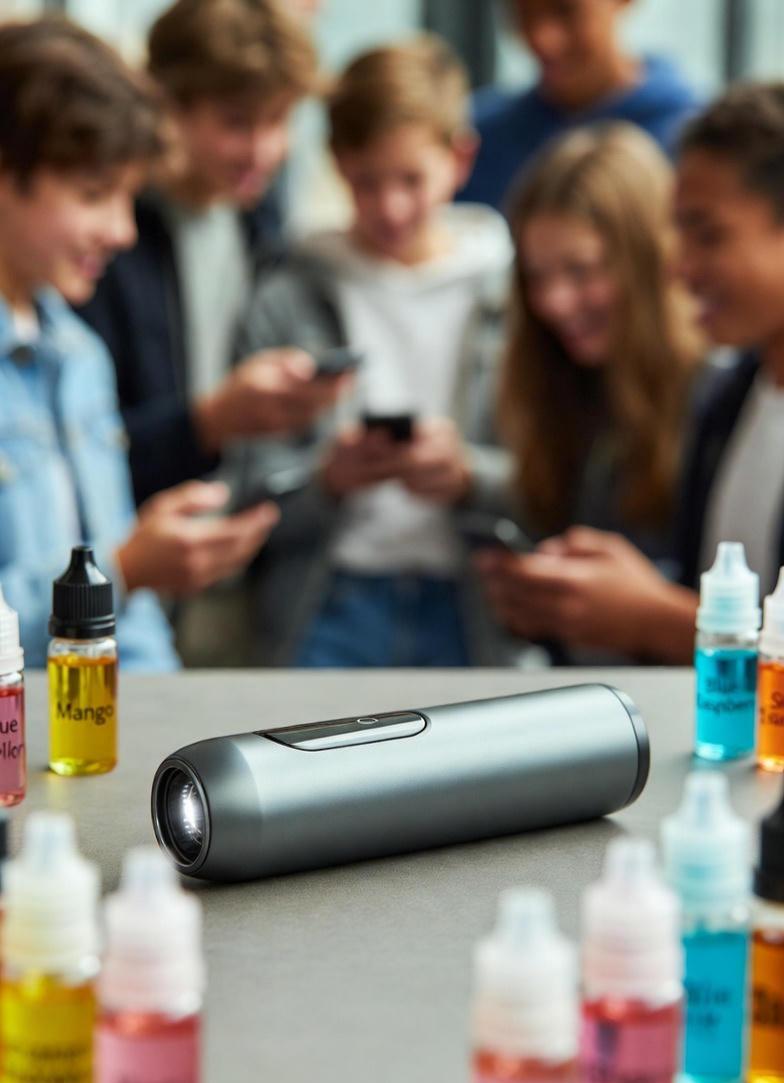
2. Pułapka smaku Podczas gdy dorośli palacze często preferują tytoń lub mentol, aby naśladować swoje stare nawyki, rynek jest zalany smakami “cukierkowymi”. Choć podobają się one niektórym dorosłym, stanowią główny magnes dla nastolatków. 13-latek nie szuka nikotynowej dawki, lecz smaku mango, niebieskiej maliny lub crème brûlée. Smaki te maskują ostry smak nikotyny, co sprawia, że niebezpiecznie łatwo jest zaciągać się głęboko i często.
3. Presja “fajnej kultury” wywierana przez rówieśników” W gimnazjum pragnienie przynależności jest przytłaczające. Media społecznościowe uromantyczniły “sztuczki z dymem” i pogoń za chmurką, zmieniając zagrożenie dla zdrowia w walutę społeczną. Kiedy dziecko widzi swoich rówieśników wapujących, staje się to rytuałem przejścia - sposobem na udowodnienie, że są dojrzali, podczas gdy w rzeczywistości powodują długoterminowe uszkodzenia mózgu, który wciąż jest w budowie.
4. Prawda o zdrowiu: to nie tylko “para wodna” Największym mitem wśród nastolatków jest to, że wapowanie to “tylko aromatyzowana para”. Jako profesjonalista muszę to obalić. Nikotyna jest silnie uzależniająca, a w rozwijającym się 13-letnim mózgu może trwale zmienić obwody odpowiedzialne za uwagę, uczenie się i kontrolę impulsów. Mówimy o długoterminowych konsekwencjach poznawczych, których dziecko nie jest w stanie pojąć.
IV. Przewodnik dla rodziców: Jak chronić swoje dzieci
Jeśli jesteś rodzicem odczuwającym ten sam niepokój, co ja w przypadku córki mojej przyjaciółki, nie jesteś sam. Oto jak rozpoznać znaki i podjąć odpowiednie działania:
- Szukaj ukrytych znaków: E-papierosy nie pozostawiają ciężkiego smrodu tytoniu, ale pozostawiają słaby, słodki lub owocowy zapach, który utrzymuje się na ubraniach lub w pomieszczeniach. Zwracaj uwagę na nietypowe ładowarki “techniczne”, które wydają się nie należeć do telefonu lub laptopa.
- Objawy fizyczne: Zwiększone pragnienie (nikotyna powoduje suchość w ustach), krwawienia z nosa lub nagła drażliwość, gdy przez jakiś czas nie byli “poza domem”, to subtelne sygnały ostrzegawcze.
- Sztuka komunikacji: Nie zaczynaj od przesłuchania. Jeśli znajdziesz urządzenie lub coś podejrzewasz, podejdź do tego jak do dyskusji na temat “manipulacji marketingowej”. Powiedz im, jak firmy próbują oszukać dzieci, aby stały się klientami na całe życie. Daj im poczucie, że “pokonują system”, odmawiając wapowania, a nie tylko “posłuszeństwa mamie i tacie”.”
V. Wnioski: Wspólne budowanie muru ochronnego
Walka z wapowaniem nieletnich nie jest walką z przemysłem e-papierosów; jest to walka o integralność naszego społeczeństwa. Jako właściciel firmy wzywam moich kolegów do wdrożenia najbardziej rygorystycznych dostępnych technologii bramek wiekowych. Musimy wspierać ustawodawstwo, które utrzymuje te produkty z dala od sklepów ogólnospożywczych w pobliżu szkół i rozprawia się z drapieżnym marketingiem w mediach społecznościowych.
Do rodziców, nauczycieli i organów regulacyjnych: jesteśmy po tej samej stronie. Naszym celem jest świat, w którym e-papierosy spełniają swoje zadanie dla dorosłych, pozostając niewidocznymi i niedostępnymi dla dzieci. Chrońmy 13-latków na całym świecie. Zasługują na dzieciństwo wolne od uzależnienia chemicznego, a my jesteśmy im winni bycie strażnikami tej granicy.
Wniosek jest prosty: Jeśli dziecko pali, wszyscy przegrywają. Pracujmy razem, aby upewnić się, że “spojrzenie niepewności” w oczach dziecka stanie się przeszłością.
 English
  Deutsch
  Français
  Italiano
  Español
  Nederlands
  Polski
  日本語
日本語  Čeština
  Português