
I. Introduzione: Un momento di profondo disagio
Di recente, ho avuto una conversazione con la figlia tredicenne di una mia amica che mi ha lasciato profondamente turbato. Le ho chiesto, in modo del tutto casuale, se i ragazzi della sua scuola praticassero il vaping. Lei ha distolto lo sguardo, con un guizzo di esitazione, prima di rispondere con fermezza: “No, non lo faccio”.”
Voglio crederle. Lo voglio davvero. Ma come persona che ha trascorso anni nel settore delle sigarette elettroniche, ho riconosciuto quello sguardo. Non si trattava solo di una sfida adolescenziale, ma dello sguardo di un bambino in bilico tra la curiosità e un segreto che non è in grado di gestire. Quel momento di incertezza mi ha perseguitato. Mi ha costretto a confrontarmi con una dura verità: i prodotti destinati ad aiutare i fumatori adulti ad abbandonare le sigarette tradizionali finiscono sempre più spesso nelle mani di bambini che non avrebbero mai dovuto conoscerne il gusto.
II. Una posizione professionale: I profitti non devono mai passare in secondo piano rispetto alla coscienza
Voglio essere chiaro fin dall'inizio: il mio sito web vende sigarette elettroniche. Credo nel potenziale di riduzione dei danni per i fumatori adulti. Tuttavia, essere un professionista di questo settore comporta un pesante fardello di responsabilità sociale. La nostra missione è fornire un'alternativa a chi ha già trascorso decenni a lottare con il tabacco, non creare una nuova generazione di persone dipendenti dalla nicotina.
Un vecchio detto dice che “il profitto è il re”, ma in questo settore l'etica deve essere l'imperatore. Qualsiasi profitto ricavato dalla salute di un minore non è solo immorale, ma è un tradimento dell'intento originario dell'industria. Dobbiamo mantenere una politica di “tolleranza zero”. Se i nostri prodotti raggiungono i tredicenni, non stiamo “distruggendo” un settore, ma stiamo deludendo una generazione. In qualità di commerciante, sono favorevole a divieti più severi e a una verifica più rigorosa dell'età, perché il nostro successo non dovrebbe mai essere misurato in base al numero di bambini che reclutiamo accidentalmente.
III. Analisi approfondita: Perché i nostri figli diventano vittime?
La domanda che dobbiamo porci è: perché i bambini sono così attratti da questi dispositivi? La risposta sta in una tempesta perfetta di design, psicologia e pressione sociale.
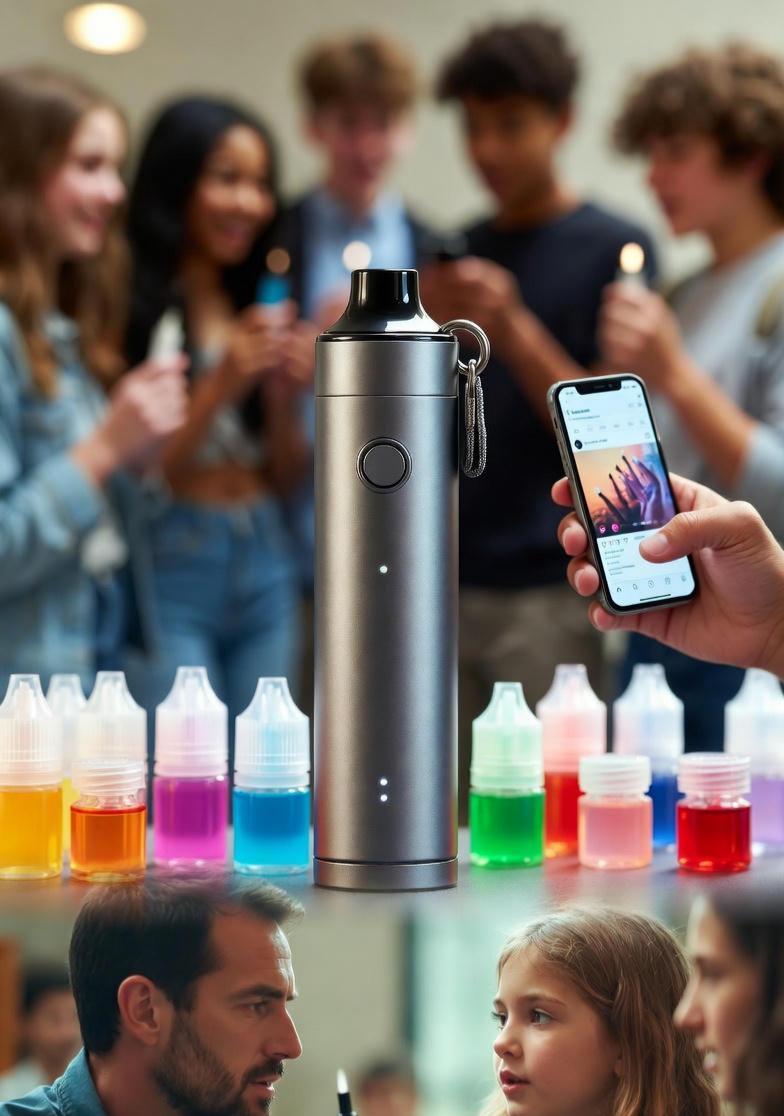
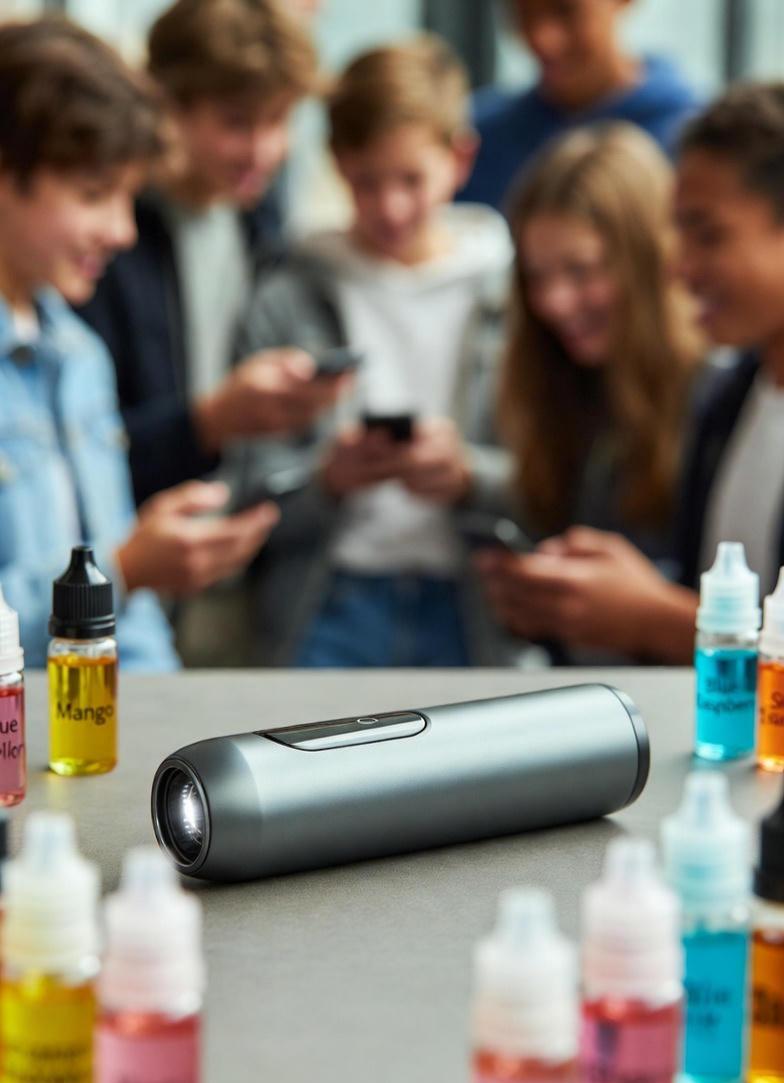
1. L'illusione di “gadget” innocui” Le sigarette elettroniche moderne sono spesso progettate con un'estetica elegante e minimalista. Per un adulto, hanno un aspetto professionale; per un bambino, sembrano giocattoli high-tech, chiavette USB o persino cancelleria di lusso. Questa “gadgetizzazione” nasconde la realtà del dispositivo. Abbassa la barriera psicologica all'ingresso, facendo sembrare il vaping più una tendenza tecnologica che un'abitudine chimica.
2. La trappola del sapore Mentre i fumatori adulti spesso preferiscono il tabacco o il mentolo per imitare le loro vecchie abitudini, il mercato è inondato di aromi “simili a caramelle”. Sebbene questi gusti piacciano ad alcuni adulti, sono una calamita primaria per gli adolescenti. Un tredicenne non cerca una dose di nicotina, ma il gusto del mango, del lampone blu o della crème brûlée. Questi sapori mascherano l'asprezza della nicotina, rendendo pericolosamente facile l'inalazione profonda e frequente.
3. La pressione dei pari della “cultura cool” Alle scuole medie, il desiderio di appartenenza è travolgente. I social media hanno reso romantici i “trucchi del fumo” e la caccia alle nuvole, trasformando un rischio per la salute in una moneta sociale. Quando un bambino vede i suoi coetanei fumare, diventa un rito di passaggio, un modo per dimostrare di essere maturo, mentre in realtà sta causando danni a lungo termine a un cervello ancora in costruzione.
4. La verità sulla salute: non si tratta solo di “vapore acqueo”.” Il mito più diffuso tra gli adolescenti è che il vaping sia “solo vapore aromatizzato”. Come professionista, devo sfatare questo mito. La nicotina crea una forte dipendenza e nel cervello di un tredicenne in via di sviluppo può alterare in modo permanente i circuiti responsabili dell'attenzione, dell'apprendimento e del controllo degli impulsi. Stiamo parlando di conseguenze cognitive a lungo termine che un bambino non può assolutamente comprendere.
IV. Una guida per i genitori: Come proteggere i vostri figli
Se siete genitori che provano lo stesso disagio che ho provato io con la figlia della mia amica, non siete soli. Ecco come individuare i segnali e come intervenire:
- Cercare i segni nascosti: Le sigarette elettroniche non lasciano il pesante odore del tabacco, ma lasciano un leggero profumo dolce o fruttato che persiste sui vestiti o nelle stanze. Fate attenzione agli insoliti caricabatterie “tecnologici” che non sembrano appartenere a un telefono o a un computer portatile.
- Sintomi fisici: L'aumento della sete (la nicotina provoca secchezza delle fauci), l'epistassi o l'improvvisa irritabilità quando non si è “usciti” per un po' sono sottili segnali di allarme.
- L'arte della comunicazione: Non iniziate con un interrogatorio. Se trovate un dispositivo o sospettate qualcosa, affrontate la questione come una discussione sulla “manipolazione del marketing”. Dite loro come le aziende cercano di ingannare i ragazzi per farli diventare clienti a vita. Date loro la sensazione di “battere il sistema” rifiutandosi di svapare, invece di “obbedire a mamma e papà”.”
V. Conclusione: Costruire insieme un muro di protezione
La lotta contro il vaping minorile non è una lotta contro l'industria delle sigarette elettroniche, ma è una lotta per l'integrità della nostra società. Come imprenditore, invito i miei colleghi a implementare le più rigorose tecnologie di controllo dell'età disponibili. Dobbiamo sostenere una legislazione che tenga questi prodotti fuori dai minimarket in prossimità delle scuole e che dia un giro di vite al marketing predatorio dei social media.
Ai genitori, agli educatori e alle autorità di regolamentazione: siamo dalla stessa parte. Il nostro obiettivo è un mondo in cui le sigarette elettroniche servano allo scopo per gli adulti, rimanendo invisibili e inaccessibili ai bambini. Proteggiamo i tredicenni del mondo. Meritano un'infanzia libera dalla dipendenza chimica e noi dobbiamo essere i custodi di questo confine.
Il nocciolo della questione è semplice: Se un bambino fa vaping, tutti perdono. Lavoriamo insieme per far sì che quello “sguardo di incertezza” negli occhi di un bambino diventi un ricordo del passato.
 English
  Deutsch
  Français
  Italiano
  Español
  Nederlands
  Polski
  日本語
日本語  Čeština
  Português